
Water Treatment Questions Answered by Scientific Experts
Get clear, science-backed answers about water quality, contamination risks, and how proper remediation protects your health and property.
FAQs
Frequently Asked Questions About Water Testing And Treatment
From PFAS and radon hard water and system design, these answers reflect real concerns from homeowners and businesses seeking permanent water correction.
How do I know if my water is unsafe to drink or use?
Many harmful contaminants like PFAS, radon hard water, and chemicals are invisible. Odor or staining can signal issues, but laboratory-grade testing is the only way to confirm true water safety.
Is shower steam really more dangerous than drinking water?
Yes. Inhalation exposes contaminants directly to the lungs and bloodstream. Radon hard water and chemical vapors in steam can pose greater health risks than ingestion over time.
What makes professional water testing different from store tests?
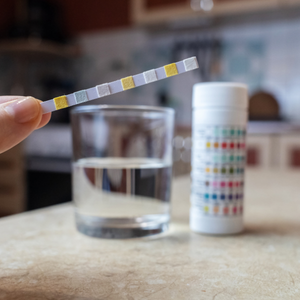
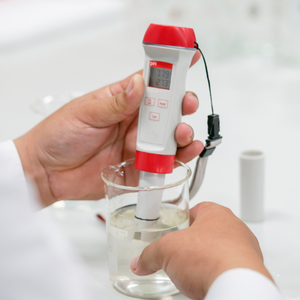
Retail tests are limited and often miss complex contaminants. Professional analysis uses lab-backed diagnostics to identify chemical profiles and determine the correct remediation approach.
Do I need a whole home system or just a kitchen filter?
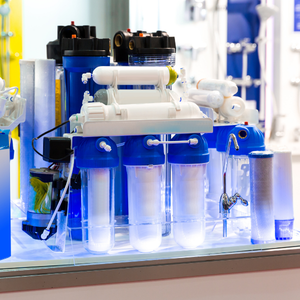
Point-of-use filters only treat drinking water. Whole-home systems address inhalation and skin exposure risks, ensuring every tap, shower, and appliance delivers treated water.
Are reverse osmosis systems wasteful or inefficient?
Modern systems are highly efficient. Advanced designs can achieve near one-to-one ratios, providing full-home purification without the excessive waste associated with outdated units.
Can hard water or acidic pH actually damage my home?
Yes. Acidic water corrodes pipes and causes blue staining, while hard water leads to scale buildup that damages plumbing, appliances, and reduces system lifespan over time.
What contaminants can be removed with proper remediation?
Systems can target PFAS, radon, heavy metals, nitrates, pesticides, and organic chemicals. The exact solution depends on the water’s chemical profile and exposure risks.
Why does licensed operator status matter for water systems?
Licensed operators are legally qualified to manage systems serving 25 or more people. This ensures compliance, safety, and professional accountability beyond standard plumbing services.
Still have questions? We're here to help — contact us today or give us a call!